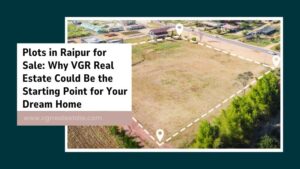

Buying a plot in raipur is one of the biggest financial decisions for most families. It feels exciting because a plot is not just land. It is the beginning of a future home, a long-term investment, and for many people, a symbol of stability.
But while buyers often focus on the price mentioned in advertisements, the actual cost of buying a plot in Raipur involves much more than just the basic rate per square foot.
This is where many people get surprised.
A plot that initially looks affordable may eventually cost much more once additional charges, approvals, and development costs are added. On the other hand, a properly planned and transparent project may seem slightly expensive at first but actually provide better long-term value.
So if you are planning to buy a plot in Raipur, understanding the complete cost structure is extremely important.
Let’s break it down in a simple and practical way.
Why Understanding Total Plot Cost Matters
Many first-time buyers make one common mistake. They only calculate the plot price.
For example:
- Plot size: 1200 sq ft
- Rate: ₹2,000 per sq ft
- Total: ₹24 lakhs
At first glance, this seems straightforward.
But the actual amount you may need to spend can be higher because of:
- Registration charges
- Development fees
- Legal expenses
- Infrastructure charges
- Construction preparation costs
Without understanding these, buyers often face financial stress later.
A smart buyer plans the complete cost, not just the advertised price.
1. Basic Plot Price
This is the starting point.
The basic cost depends on:
- Location
- Road connectivity
- Plot size
- Nearby infrastructure
- Future growth potential
In Raipur, plot rates vary significantly between areas.
Plots in:
- well-developed residential zones,
- near major roads,
- or inside planned communities
usually cost more than isolated land parcels.
However, paying slightly more for a good location often gives better long-term returns and lifestyle comfort.
2. Registration Charges and Stamp Duty
This is one of the biggest additional expenses buyers must plan for.
When you officially register the property in your name, the government charges:
- Stamp duty
- Registration fee
These charges are calculated as a percentage of the property value.
Many buyers forget to include this amount while budgeting, even though it can significantly affect the total cost.
Registration is essential because it legally transfers ownership to you.
Without proper registration, ownership remains incomplete.
3. Development Charges
This is another important cost that many people overlook.
Development charges cover infrastructure created inside the project, such as:
- Internal roads
- Drainage systems
- Street lighting
- Water supply connections
- Electricity infrastructure
In plotted developments, these charges are usually added separately.
A plot with proper development may cost more initially, but it saves buyers from future infrastructure problems.
Cheap plots without proper development often create larger expenses later.
4. Corner Plot Charges
Corner plots are usually priced differently.
Why?
Because they:
- Offer better accessibility
- Have more open space
- Are often considered more premium
As a result, developers usually charge extra for corner plots.
The same applies to:
- Garden-facing plots
- Main-road-facing plots
- Park-facing plots
These additional premiums increase the total purchase cost.
5. Legal Verification Costs
Many smart buyers hire legal experts before purchasing property.
This may include:
- Document verification
- Title check
- Encumbrance verification
- Agreement review
While this adds a small upfront cost, it protects buyers from future legal disputes.
Skipping legal verification to save money can become extremely expensive later.
6. Loan Processing Charges
If you are taking a loan to buy the plot, banks may charge:
- Processing fees
- Documentation fees
- Valuation fees
These costs vary depending on the bank and loan amount.
Many buyers focus only on EMI calculations and forget these initial loan-related expenses.
7. Brokerage Costs
If the property is purchased through brokers or agents, brokerage charges may apply.
This can range from a small percentage to a significant amount depending on the transaction.
One advantage of buying directly from a trusted developer is that buyers often avoid unnecessary intermediary costs.
8. Site Preparation Costs Before Construction
Buying the plot is only the beginning. Once buyers plan construction, they often discover additional site preparation expenses.
These may include:
- Land leveling
- Soil filling
- Boundary wall construction
- Temporary electricity connection
- Water arrangements
Plots that are already properly prepared and developed reduce these future expenses significantly.
9. Construction Approval Costs
Before building a house, buyers need approval from local authorities.
This process may involve:
- Architectural planning fees
- Approval fees
- Structural engineering costs
These costs vary depending on the size and design of the home.
Many buyers planning future construction should keep these future expenses in mind while purchasing the plot itself.
10. Maintenance Charges in Planned Communities
Some plotted developments include:
- Security systems
- Parks
- Community maintenance
- Landscaping
To maintain these services, maintenance charges may apply.
These are generally reasonable but should still be understood beforehand.
Good developers clearly explain these costs upfront.
11. The Hidden Cost of Cheap Plots
One of the biggest mistakes buyers make is assuming lower price means better deal.
Cheap plots often create hidden expenses later:
- Poor road access
- No drainage system
- Legal complications
- No electricity infrastructure
- Weak future growth
As a result, buyers spend extra money solving these problems themselves.
This is why the cheapest plot is not always the most affordable plot.
12. Why Location Impacts Cost So Much
Location affects almost every aspect of plot pricing.
A plot near:
- schools,
- hospitals,
- highways,
- or commercial zones
naturally costs more because it offers:
- better convenience,
- stronger appreciation,
- and easier resale potential.
In Raipur, developing corridors are seeing rising demand because buyers now understand the importance of future connectivity.
13. Cost Difference Between Isolated and Planned Projects
Independent land parcels may appear cheaper than plotted developments.
But planned projects usually include:
- Better roads
- Legal approvals
- Infrastructure
- Community planning
- Organized layouts
These factors increase buyer confidence and long-term usability.
The difference in cost often reflects the difference in future convenience.
14. Construction Costs Are Rising Too
When planning a plot purchase, buyers should also think ahead about future construction costs.
Building materials such as:
- cement,
- steel,
- labor,
- and electrical fittings
have become more expensive over time.
This is why many buyers prefer securing plots early. Even if construction happens later, they at least lock land ownership before prices rise further.
15. The Emotional Cost of Delaying
Not all costs are financial.
Many buyers delay property purchases for years because they feel:
- uncertain,
- confused,
- or afraid of making mistakes.
Later, they often realise:
- prices increased,
- good locations sold out,
- or opportunities became limited.
The emotional frustration of “almost buying earlier” is very common in real estate.
Smart buyers understand that careful action is usually better than endless waiting.
16. How Smart Buyers Budget Properly
Experienced buyers usually follow a simple approach:
They calculate:
- Plot cost
- Registration cost
- Development charges
- Legal expenses
- Future preparation costs
Then they add a small financial buffer.
This approach creates peace of mind because there are fewer surprises later.
17. Why Transparency Matters More Than Discounts
In property buying, transparency is more valuable than flashy discounts.
Buyers feel more confident when:
- costs are explained clearly,
- documents are open,
- and there are no hidden surprises.
This confidence often matters more than saving a small amount upfront.
Conclusion: How VGR Real Estate Helps Buyers Understand the Real Cost Clearly
Buying a plot should feel exciting, not confusing. But many buyers struggle because they only understand part of the financial picture.
This is where VGR Real Estate helps simplify the process.
VGR Real Estate focuses on transparency and structured planning, helping buyers understand not just the basic plot price but the complete cost involved. Their projects are designed with proper infrastructure, approved layouts, and clear documentation so buyers can move forward with confidence instead of uncertainty.
By guiding buyers through every stage, from understanding plot pricing to explaining development and registration aspects, VGR helps families make informed decisions without hidden surprises.
Because the smartest property decisions are not made by finding the cheapest option.
They are made by understanding the complete value behind the investment.